
Background
The Wayback is a boutique hotel and farm-to-table cafe tucked into the Austin Hill Country, fifteen minutes from downtown. Eight individually designed cottages, an outdoor saltwater pool, a craft cocktail bar, and a versatile venue for weddings, retreats, and private events. It is a premium property with a premium average nightly rate, and a brand people fall in love with the moment they arrive.
The Wayback was already beloved by locals, with a loyal Austin following. What it needed was to reach beyond the neighborhood, filling the cafe and cottages with new guests from across Texas and the US, and a profitable, repeatable marketing engine to do it: paid media that actually drove bookings, measurement it could trust, and visibility in the places travelers now search.
The Challenge
When Noble Growth took over the marketing, the fundamentals of the property were strong but the marketing system had real gaps:
- One channel, no safety net. Paid effort lived almost entirely in Google, with no Meta demand engine and no Pinterest presence for a highly visual, aesthetic-driven property.
- No retargeting. Every dollar was cold prospecting. Interested travelers who left the site were never brought back.
- Bookings were invisible in the data. There was no reliable connection between ad spend and actual reservations, so no one could say which channel produced revenue.
- Invisible to AI. Key pages had no structured data, and the site was not built for how travelers increasingly discover places to stay: asking ChatGPT, Gemini, Claude, and Perplexity.
- OTA commission risk. Every booking pushed to Booking.com or Airbnb carries a commission. Protecting the direct-booking share was essential to margin.
The Strategy
Noble Growth ran the property like a performance account: build the measurement first, spread demand across the right channels, keep every dollar efficient, and make the brand impossible to miss, in traditional search and in AI.
Rebuild the measurement stack
Wired the booking system straight through to analytics: reservations flow from Mews into Google Tag Manager, GA4, and the Meta Conversions API, deduplicated on transaction ID. Ad blockers stop 20 to 30 percent of bookings from being counted by browser pixels; server-side tracking records them from the server instead, so reporting and ad optimization run on the real numbers.
Spread demand across three channels
Kept Google lean and profitable at the bottom of the funnel, launched Meta as the primary demand engine, and added Pinterest to reach the aesthetic-travel audience where the property photographs beautifully.
Win AI visibility
Rolled out Hotel, Restaurant, and FAQ structured data, published an llms.txt file with a working MCP endpoint, and opened the site to every major AI crawler. All four major LLMs, ChatGPT, Gemini, Claude, and Perplexity, now cite The Wayback.
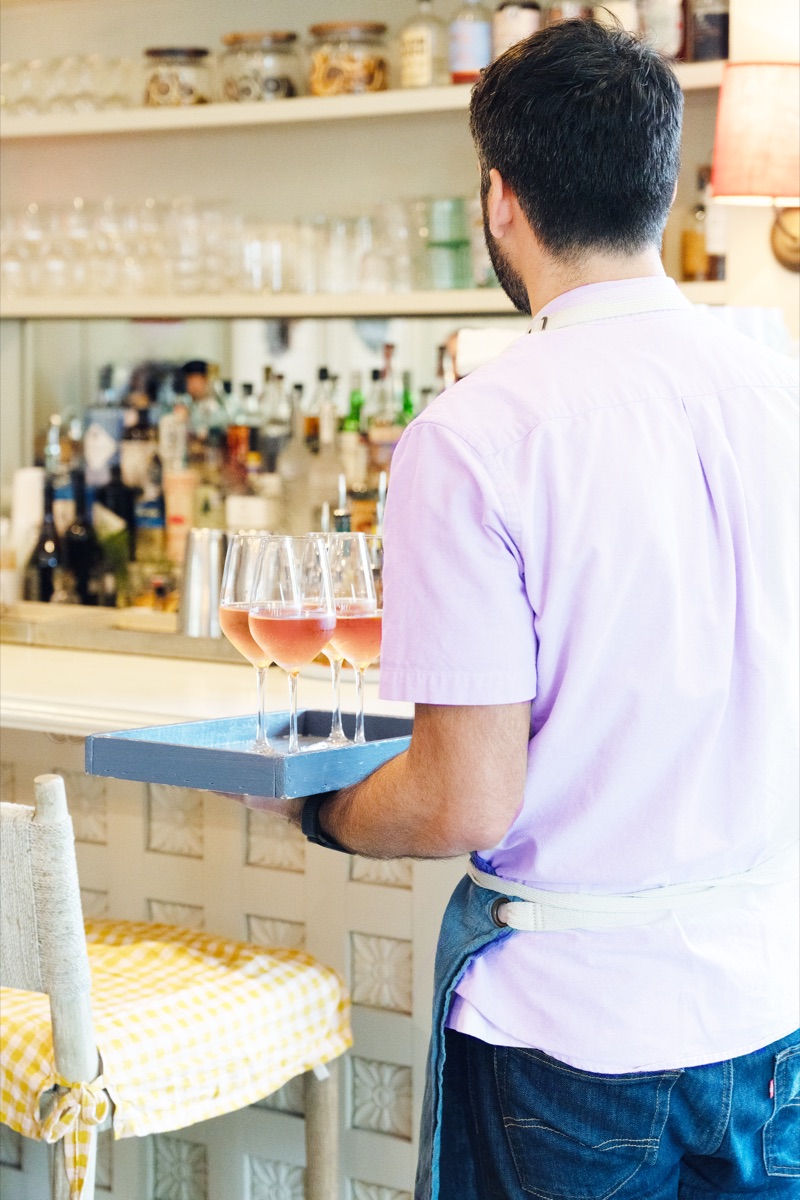
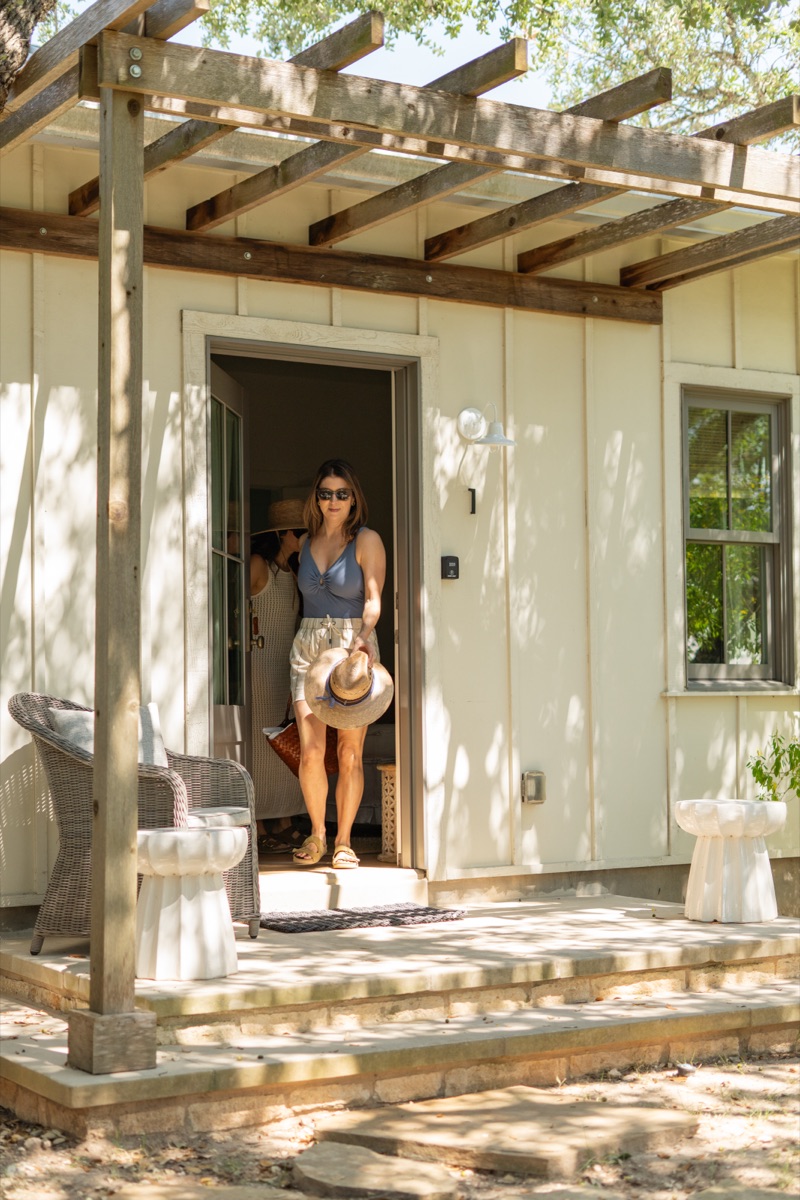
A premium, highly photogenic property: the farm-to-table cafe and the cottages carry the paid and organic creative.
The Results
In its first year on the new booking system, the program drove a six-figure lift in booking revenue, spanning cottage stays and on-site cafe spend, across 544 reservations, with a clear upward trend that continues to build momentum. And it did so on a remarkably lean media budget.
Because the channels were finally measurable, the account could be tuned rather than guessed at. The paid-media reach across Google, Meta, and Pinterest:
| Channel | Clicks | Impressions | CTR |
|---|---|---|---|
| Meta Ads | 108,051 | 643,822 | 16.78% |
| Google Ads | 20,966 | 405,706 | 5.17% |
| Pinterest Ads | 2,039 | 192,034 | 1.06% |
| Total | 131,056 | 1,241,562 | 10.56% |
Paid media reach, 2026 year-to-date. Meta became the demand engine at an exceptionally low cost per click; Google stayed lean and profitable at the bottom of the funnel.
llms.txt rollout.
“I don’t know if this normally happens with all your clients, but I feel we have been winning.”

Why It Works for Any Hospitality Brand
The Wayback playbook applies to any hotel, restaurant, or hospitality brand that wants growth it can actually measure:
- Build the measurement before you scale the spend. If you cannot see cost per booking by channel, you are guessing. Server-side tracking recovers the revenue pixels miss.
- Match the channel to the funnel. Meta for demand, Google for high-intent capture, Pinterest for aesthetic reach. Each does a different job.
- Protect direct bookings. Every reservation that avoids a third-party commission keeps its full margin. Point the whole system at direct.
- Get found by AI. Travelers and diners now ask assistants where to go. Structured data and an
llms.txtfile put you in the answer.
The one-page version
A print-ready PDF summary of this case study, built to share.
Who Did What
What we did
- Rebuilt the measurement stack: Mews to Google Tag Manager, GA4, and the Meta Conversions API, deduplicated on transaction ID.
- Kept Google lean at the bottom of the funnel, launched Meta as the primary demand engine, and added Pinterest.
- Rolled out Hotel, Restaurant, and FAQ structured data, an
llms.txtfile, and an MCP endpoint, and opened the site to AI crawlers. - Tuned the account weekly on cost per booking by channel.
What the client did
- Runs the property: eight cottages, the farm-to-table cafe, the pool and bar, and the events venue.
- Moved reservations onto Mews, the booking system the tracking was wired to.
- Closes most reservations by phone or in person, where paid media drove the first visit.
Conclusion
The Wayback moved from a single-channel account with no reliable attribution to a lean, measurable, three-channel engine that drove a six-figure lift in first-year booking revenue at a conservative ~4x blended return on paid media, and made the property visible in both traditional and AI search, cited by all four major LLMs. The same approach, measurement first, the right channels, disciplined efficiency, and AI-ready architecture, is exactly what Noble Growth brings to every hospitality brand we partner with.