

“Skate to where the puck is going, not where it has been.” Wayne Gretzky

The Web is Evolving
The First Era (1990 to 2009)
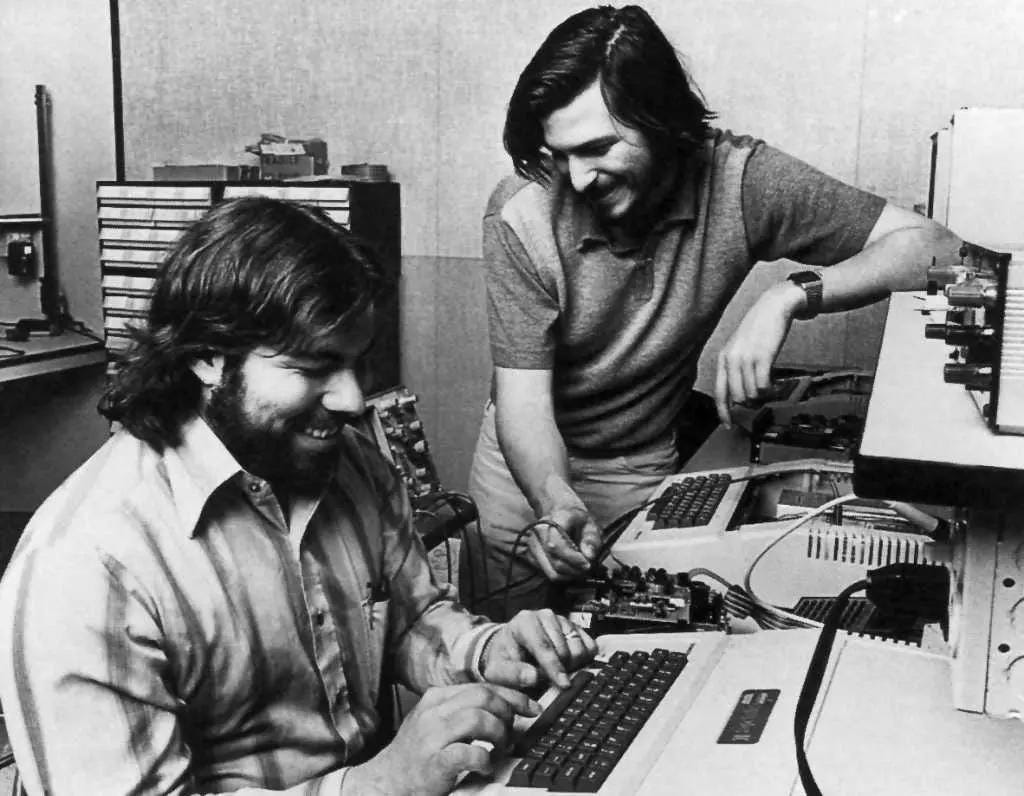
In the early days of the web, every site was custom code. HTML, CSS, a little JavaScript, written by hand. Fast loading. Specific to the brand. The catch was you had to know code, or pay someone who did. A real website meant a real developer. Every Steve Jobs needed a Steve Wozniak.
The Second Era (2010 to 2025)
In the second, the builders took over. Squarespace, Wix, Shopify, Webflow. Drag and drop. Pick a template. Get online without a developer. For most small businesses, this was the right trade for fifteen years.

The Third Era (2026+)
We’re now in the third era. The AI code age. A fully custom site no longer takes a developer six months and six figures. You tell Claude what you want, it writes the code, pushes it to GitHub, deploys it to Cloudflare, and you’re live. From idea to launched site in an afternoon.

I’ve built it this way four times now. My own agency site at noblegrowth.co. Plus three client sites. All are fully custom, load in under a second, and get cited by ChatGPT, Claude, and Perplexity. None of them are on a builder. None of them ever will be.
Why Custom Code Wins Right Now

The case, in order of what matters most.
By building a fully custom site, you’re speaking the native language of computers. Code is what search engines parse. Code is what AI systems read when they decide whether to cite you. A drag and drop interface is a translation layer built for humans who don’t know code. Useful in 2012, a liability now. Elon said that eventually computers will just talk to each other in binary, no coding languages needed. He’s probably right, eventually. For the next decade, code is the lingua franca. Speak it.
The site is fast. Static HTML served from Cloudflare’s edge loads in under a second anywhere in the world. Builders carry the weight of every feature you don’t use. Speed is a ranking signal in Google, a citation signal in ChatGPT, and a conversion signal in your checkout. You want it fast, lean, and functional.
There’s no ceiling. With a template, you bend your brand to fit the platform. With code, you simply update the code to fit your brand. The animation is exactly the one you described. The header sits exactly where you want it. Nothing is “close enough.”
You’re sovereign. This matters most long-term. When your site is custom code in your own GitHub, you stop renting. Ship an update in five minutes. Launch an e-blast from the same codebase. Post to social, run your analytics, track your ads, all from the same place. No need to pay for seven SaaS subscriptions. You can build almost anything yourself. You ride the AI wave instead of waiting for it to crash on top of you.
The Stack
It’s three tools, plus a domain.
A note on the tools: The top tools change. Codex may surpass Claude Code for a while, then Grok may surpass both of them, then a new or open source model surpass all of the above. Whatever happens, you own the code and data for your website. You are not locked to any one provider. When a better model or host shows up, you swap it in and keep moving, always in the pilot’s seat. Set it up this way and you ride every wave instead of starting over on each one.
Claude Code (or Codex or Grok or whatever AI model you prefer) writes the site. You describe what you want, it generates real HTML, CSS, and JavaScript, the same as a senior developer would hand you.
GitHub holds every version. Free. You never have to worry about breaking your site. You can always go back to an older version. You can always share your repo.
Cloudflare Pages serves it to the world in under a second, anywhere. Free.
A domain from GoDaddy points your name at it. A few dollars a year.
You say something like: “Build me a site that looks like this, make it world class, push it in GitHub, and deploy it to Cloudflare so it’s live on my domain.” And it does. The whole loop runs from one terminal on your own computer, for a fraction of what a website builder charges, and it’s infinitely more powerful.